Category: Writing Craft
-

David Farland on Using Crucibles to Strengthen Story Conflict
David Farland’s story-crucible technique shows how settings, relationships, and conditions can trap characters together and intensify conflict.
-
Writing Fireworks: Why First Drafts Need Time to Cool
Why writers should let a first draft rest before revision, what to do during the break, and how to revise from structure down to…
-
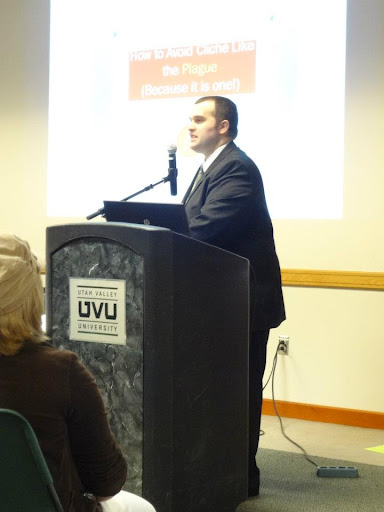
Avoiding Clichés in Fiction: Three Types and How to Twist Them
Learn to identify and revise clichéd phrases, plots, and characters by adding specificity, consequence, and purposeful twists.
-
Depicting Immorality vs. Amorality in Fiction
A practical discussion of depicting wrongdoing in fiction while acknowledging harm, consequence, moral complexity, and character agency.
-

Varying Sentence Beginnings: A Dialogue Revision Exercise
A practical dialogue exercise for varying sentence beginnings, using action beats purposefully, and avoiding a repetitive tennis-match rhythm.
-
How to Hook Readers from the First Page
Learn how to create a first-page hook with curiosity, meaningful change, clear stakes, vivid details, and an honest promise about the story.
-
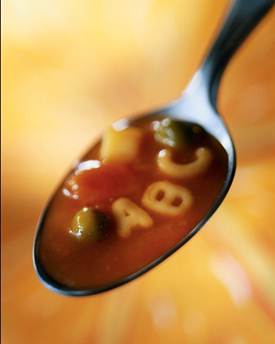
Sentence Soup: How to Vary Sentence Structure
Use the sentence-soup analogy to improve prose by varying sentence length, beginnings, verbs, description, punctuation, and pacing.
-
Organizing Your Novel: Plot and Character Planning Methods
Flexible methods for organizing a novel’s plot and characters, including scene cards, timelines, idea webs, continuity files, and voice exercises.
-
Dialogue Tags: When to Use “Said” and Avoid Bookisms
Learn when to use “said,” why distracting bookisms weaken dialogue, and how action beats can identify speakers while adding meaning.
-
How to Revise a Novel Without Losing Its Heart
A layered approach to revising a novel, protecting its emotional core, using outside readers, maintaining continuity, and cutting with purpose.
 Michael D. Young