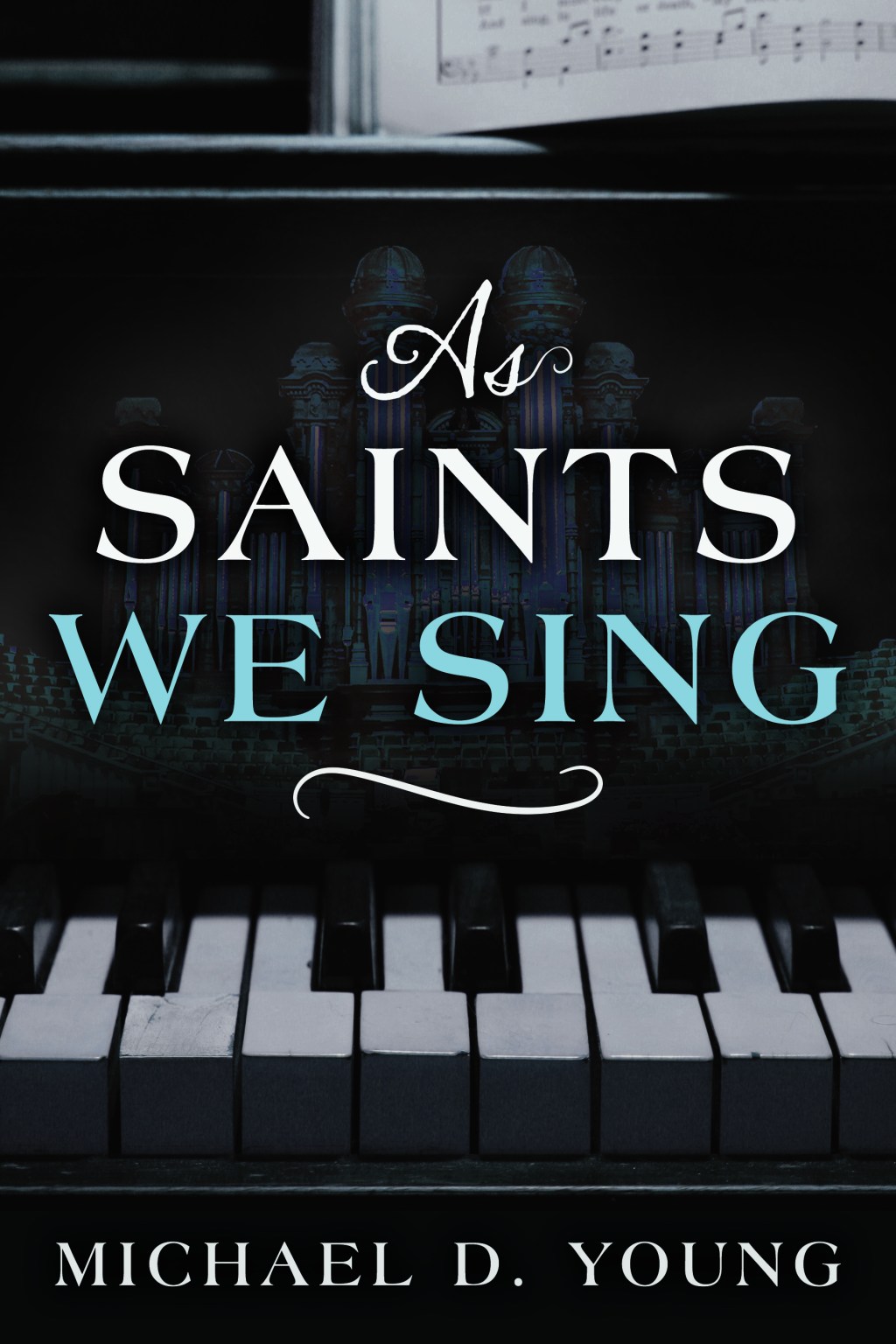
As Saints We Sing began with a question: what would a large hymn collection look like if it placed particular emphasis on the Restoration, Latter-day Saint history, and doctrines especially meaningful to members of The Church of Jesus Christ of Latter-day Saints?
Originally published September 1, 2021. Substantially revised and expanded July 2026.

The Moment That Started the Project
The idea came to me in 2015 while I was visiting a congregation and listening to its choir sing. The music prompted me to think about the many hymn texts and tunes that exist beyond the selections most congregations hear regularly.
I began brainstorming a collection that could preserve beloved texts, introduce fresh musical settings, and give composers and lyricists a place to contribute new work. What began as a set of notes became a multi-year collaboration involving many people.
A Collection Shaped by Restoration Themes
Christian hymnody contains an enormous treasury of music about Jesus Christ, scripture, discipleship, prayer, grace, worship, and eternal life. As Saints We Sing draws from that broad tradition while also highlighting themes with particular resonance in Latter-day Saint worship and history.
The collection includes 176 hymn settings and brings together familiar texts, less frequently heard works, original contributions, and music suitable for seasons such as Easter and Christmas. The arrangements provide four-part SATB harmony so the book can support choirs as well as congregational and home use.
Beloved Hymns in New Settings
Among the hymn texts represented are:
- “A Poor Wayfaring Man of Grief”
- “Dearest Children, God Is Near You”
- “Christ the Lord Is Risen Today”
- “God Be with You Till We Meet Again”
- “I Need Thee Every Hour”
- “O Holy Night”
- “The Spirit of God”
- “Nearer, My God, to Thee”
A new arrangement should do more than make an old hymn sound different. At its best, it helps singers notice a phrase, doctrine, emotion, or scriptural image that familiarity may have allowed them to pass over.
Working with Composers and Lyricists
No collection of this size is a solitary accomplishment. Composers, arrangers, lyricists, editors, engravers, reviewers, and other collaborators contributed skill and time. Each selection needed to function musically while also respecting the meaning, meter, and theology of the text.
Collaboration also required decisions about variety. A large hymnbook benefits from contrasts in tempo, texture, range, difficulty, emotional tone, and season. The goal was not to make 176 pieces sound as though one person had written them. It was to bring different musical voices into a coherent worship resource.
Why SATB and Spiral Binding Matter
The four-part format makes the music accessible to traditional church choirs and to singers who enjoy exploring harmony at home. The spiral binding was chosen for practical use at a piano or organ. A music book should remain open without requiring the performer to fight the binding during a prelude, rehearsal, or performance.
Hymns as Theology We Remember
People may forget the details of a sermon or lesson, but a line of hymn text can remain available for decades. Music gives doctrine a form that can return during worship, grief, celebration, uncertainty, and prayer.
That is why hymn work matters to me. A hymn is not only a musical object. It is a way for a community to remember what it believes and to express those beliefs together.
What the Project Taught Me
- Large creative projects grow through consistent work over many years.
- Good collaboration requires both a clear vision and room for other people’s gifts.
- Practical design decisions can determine whether a resource is actually usable.
- Old texts can remain spiritually alive when artists approach them with care.
- New sacred music becomes stronger when it is rooted in scripture, doctrine, and the needs of real singers.
Companion Sacred-Music Collections
As the larger hymn project developed, I also assembled three companion digital collections that extended the range of music available for worship, teaching, and special occasions.
- Classic Hymn Collection: sixty traditional Christian hymns arranged for SATB voices.
- As Youth We Sing: twenty-seven original children’s songs designed to teach gospel principles.
- Special Music Numbers: eighteen pieces created for varied cultures, settings, and occasions.
Together, the three companion collections added 105 pieces beyond the main hymnbook. They reflected the same desire that shaped As Saints We Sing: preserve useful sacred music, create practical resources for real singers, and make room for both familiar traditions and new contributions.
An earlier promotion offered these files through a purchase-verification and direct-payment process. Those instructions are no longer current. Visit Music and Poetry for present information about available sacred-music projects, or use the Contact page with questions about a specific collection.
Visit Music and Poetry for current information about As Saints We Sing, sacred choral music, recordings, hymn texts, and other musical projects. Explore Sacred Days, Sacred Songs for a Holy Week musical journey centered on Jesus Christ.

About Michael D. Young
Michael D. Young writes family-friendly fantasy, devotionals, hymn history, and books for young readers. He has sung with The Tabernacle Choir at Temple Square since 2010 and works as an instructional designer. Explore his books, music, and creative projects.
 Michael D. Young
One response to “As Saints We Sing: Creating a Latter-day Saint Hymn Collection”
[…] As Saints We Sing: Creating a 176-Hymn Collection […]