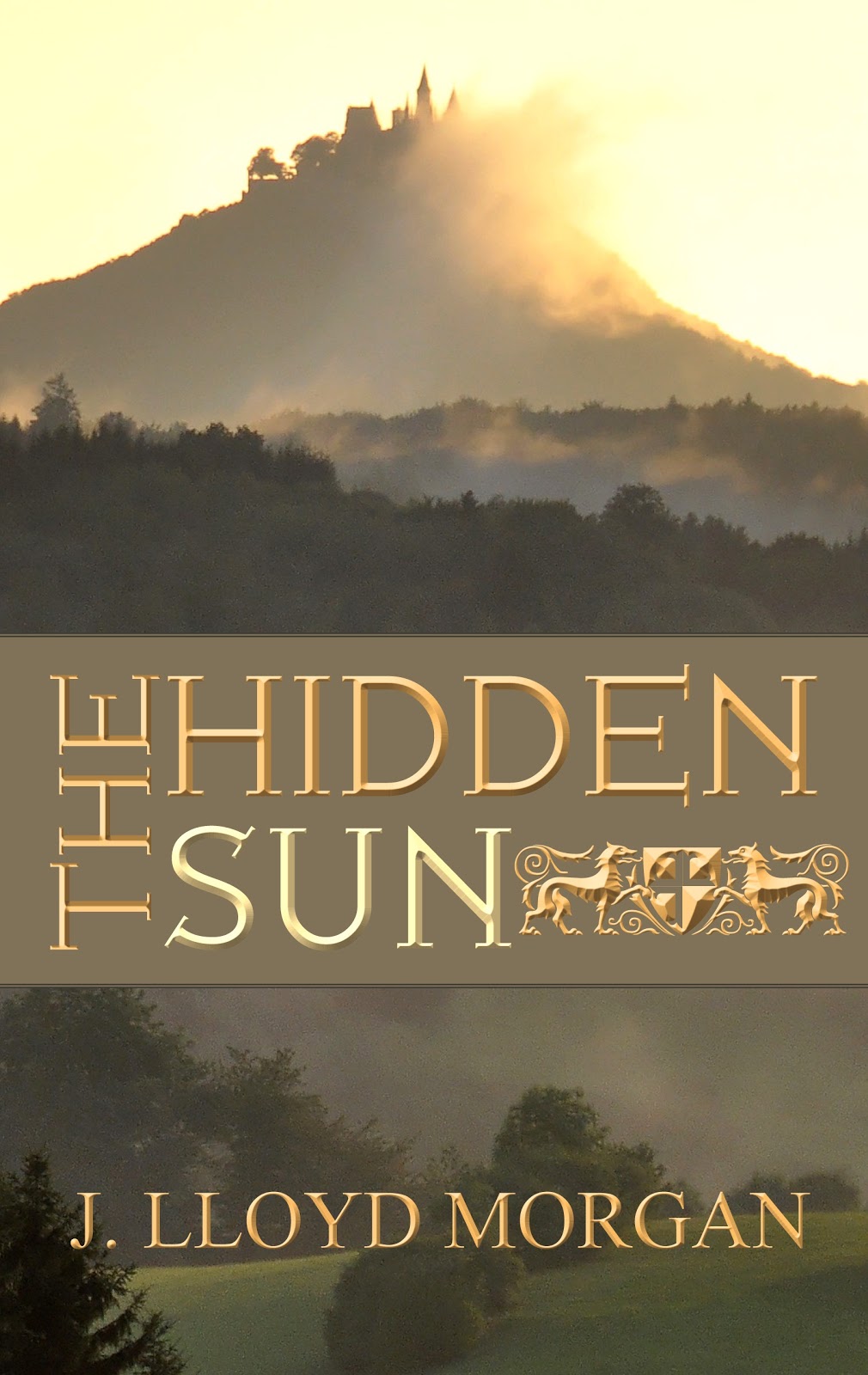
The Hidden Sun uses a medieval setting without relying on wizards, elves, or overt magic. Its appeal comes instead from political intrigue, family legacy, symbolic names, and characters whose loyalties pull them in different directions.
Originally published August 25, 2011. Substantially revised and expanded July 2026.
What I Liked as a Reader
The first surprise was the absence of the fantasy elements I expected from the setting. The novel feels closer to invented-world historical fiction, concentrating on politics, inheritance, family obligations, and the consequences of hidden information.
I cared about the characters, and the shifting story lines created steady forward movement. The names can require attention, especially when the viewpoint changes quickly, but the pronunciation guide helps readers enter the world.
I also noticed sunlight imagery woven through the names, weather, and larger story. Without revealing the plot, that pattern added beauty and suggested that the title was operating on more than one level.
What I Learned as a Writer
Defy Expectations Deliberately
A medieval setting often signals magic, legendary creatures, or a quest structure. Removing those elements can feel fresh when the replacement conflict is equally strong. Here, political pressure and family legacy supply the danger the reader might otherwise expect from monsters or spells.
Use Symbols Across Several Layers
The sunlight pattern works because it appears in more than one place. A symbol gains strength when it touches setting, names, weather, plot, and theme without requiring the narrator to explain every connection.
Help Readers Manage a Large Cast
Multiple viewpoints create scale, but every transition asks the reader to reorient. Distinct goals, voices, locations, and scene openings make those shifts easier. A pronunciation guide can assist with names, but characterization must do the larger work of keeping people separate.
The Value of an Invented Historical World
An invented kingdom allows the writer to create political and social conditions suited to the story while still drawing on the texture of historical fiction. The world does not need a supernatural system to feel unfamiliar. Laws, inheritance, geography, class, marriage, and family duty can create their own forms of pressure.
Who May Enjoy It
Readers who enjoy medieval atmosphere, political intrigue, family secrets, symbolic patterns, and low- or no-magic fantasy settings may appreciate the novel’s approach.
Explore my own family-friendly fantasy on Fiction Quests. For lessons on genre expectations, symbolism, and managing multiple viewpoints, visit Fiction Fundamentals.

About Michael D. Young
Michael D. Young writes family-friendly fantasy, devotionals, hymn history, and books for young readers. He has sung with The Tabernacle Choir at Temple Square since 2010 and works as an instructional designer. Explore his books, music, and creative projects.
 Michael D. Young
4 responses to “The Hidden Sun Review: Medieval Intrigue Without Magic”
Great review. Thanks for sharing!
Thank you for taking the time to read and review the book. It's funny, your comment about me jumping around from character to charater must harken from my TV directing days. I guess my mind still works that way. 😛
[…] The Hidden Sun Review: Medieval Intrigue Without Magic […]
[…] The Hidden Sun Review: Medieval Intrigue Without Magic […]